
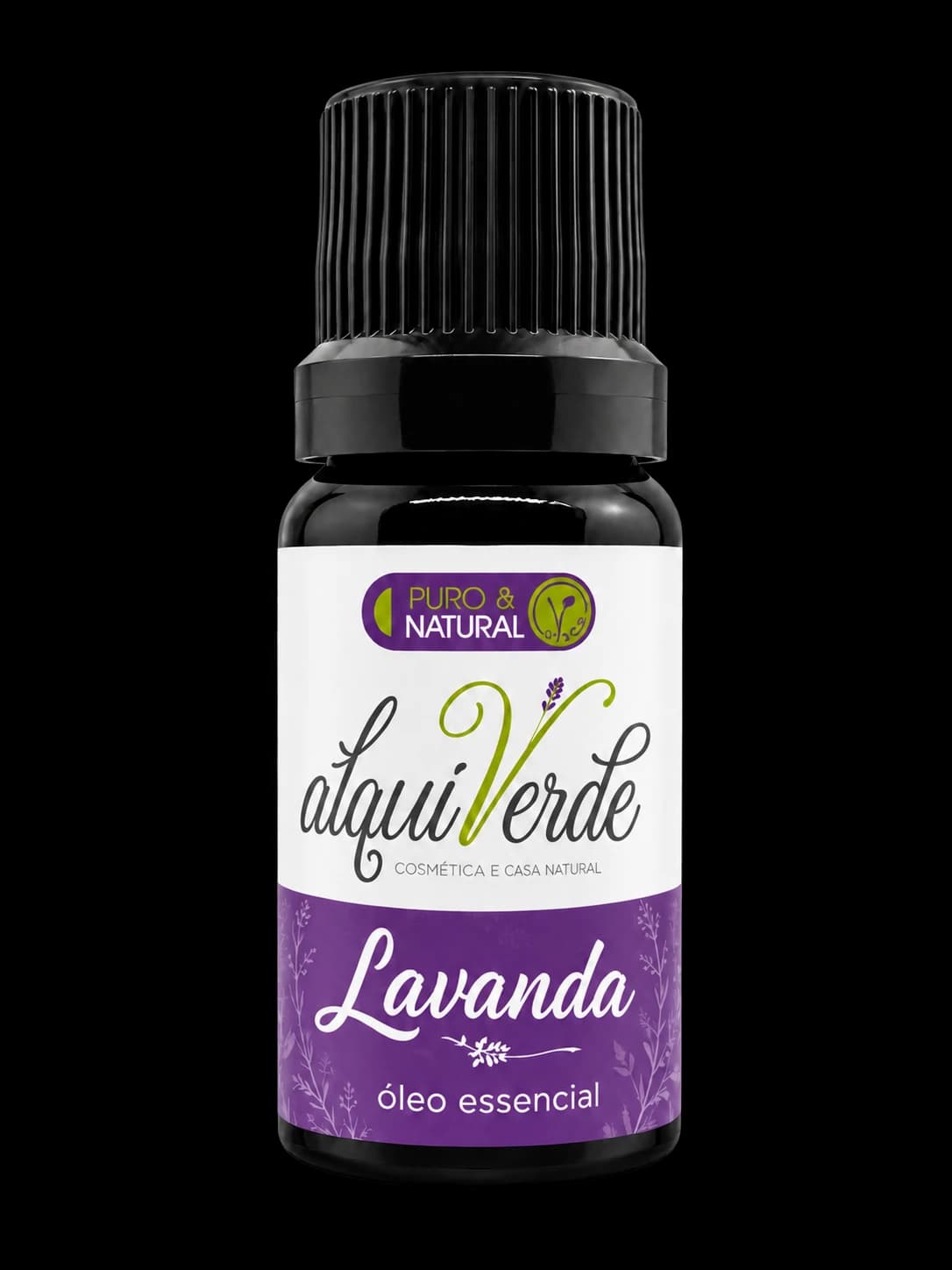
Flowers · floral aroma
Lavender
Lavandula angustifolia Mill.
The most recognisable floral in natural perfumery: sweet, herbal, with a fresh base that never tires.
Request a sample of this oneExplore ten aromas available for private label. Compare each aromatic profile, botanical part and product sheet before shaping your range.
Flowers · floral aroma
Lavandula angustifolia Mill.
The most recognisable floral in natural perfumery: sweet, herbal, with a fresh base that never tires.
Request a sample of this one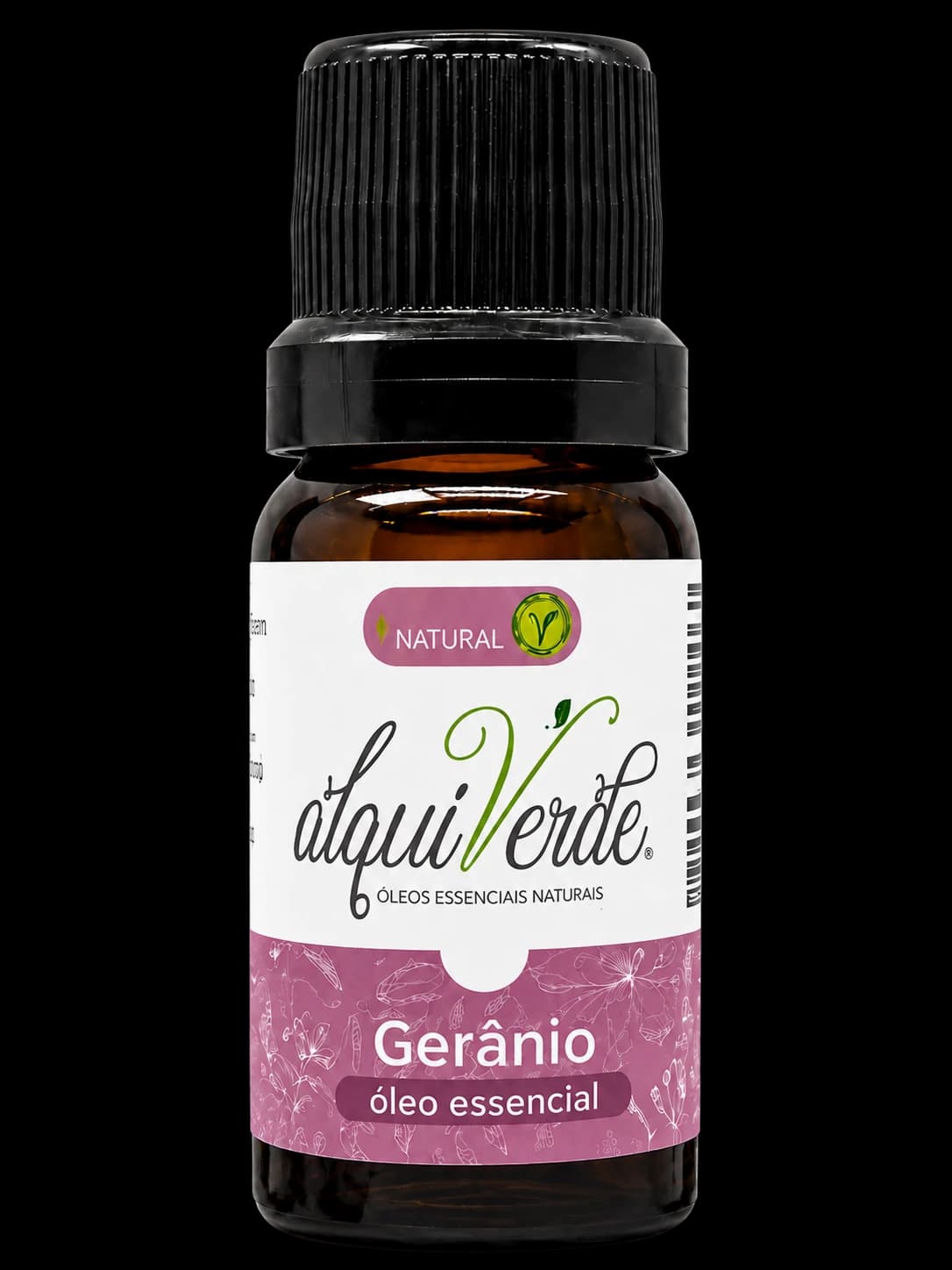
Leaves · floral aroma
Pelargonium graveolens
A rosy floral with green underneath — the closest thing to rose without the price of rose.
Request a sample of this one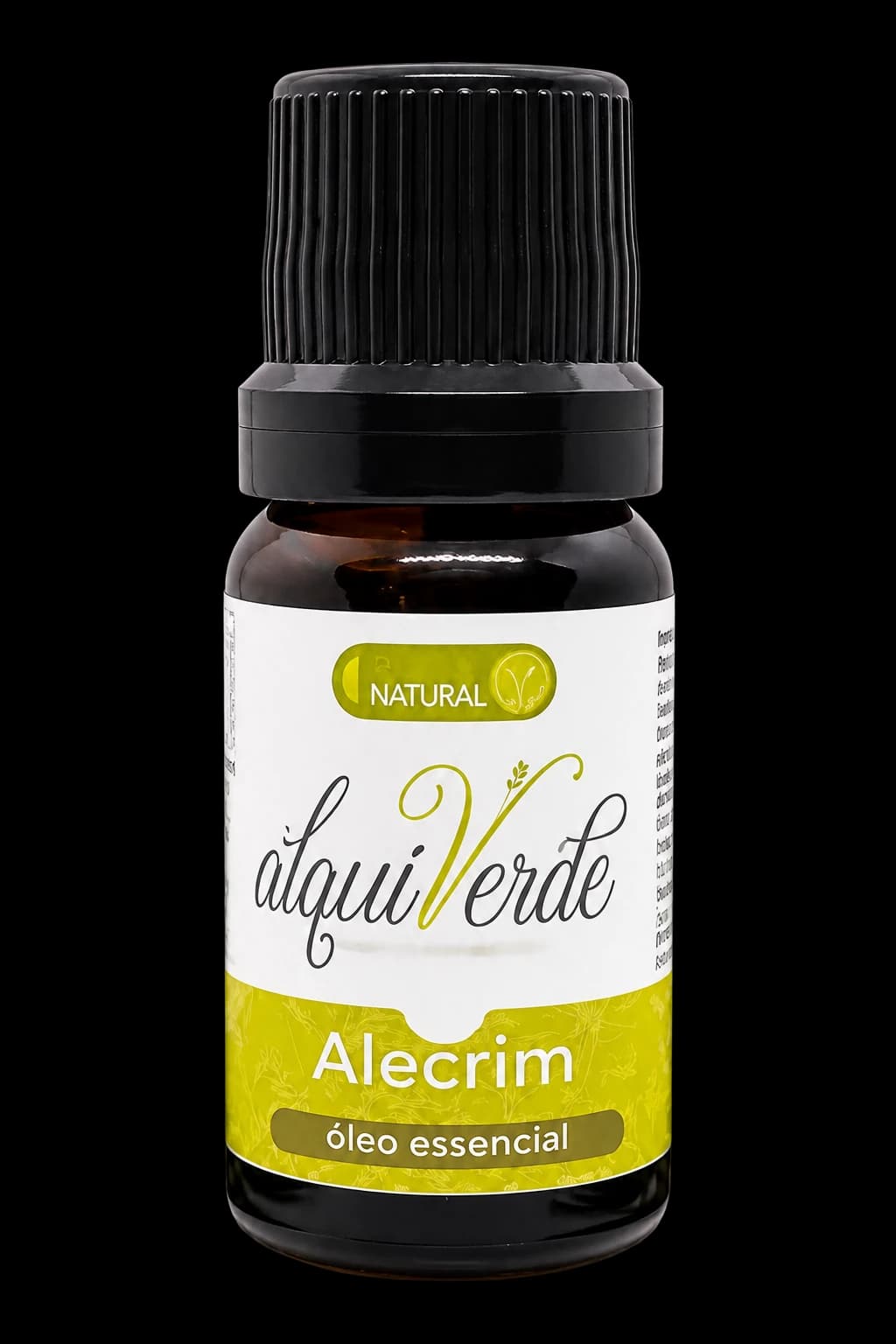
Leaves · herbal aroma
Salvia rosmarinus Spenn.
Dry, camphorous herbal — a sunlit kitchen garden. It gives edge to compositions that turned out too round.
Request a sample of this one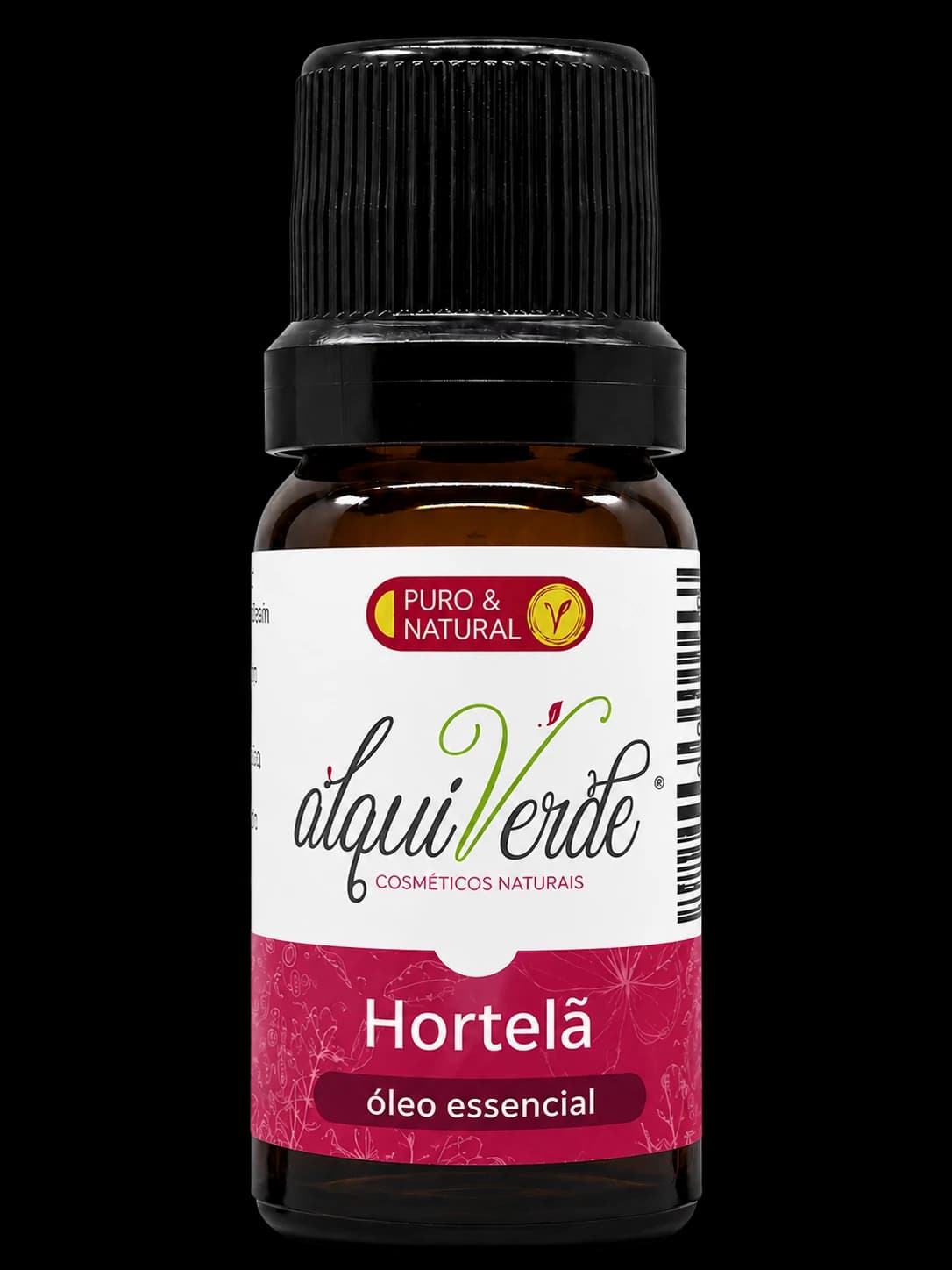
Leaves · minty aroma
Mentha × piperita L.
Frank, intense menthol — the scent the skin reads as coolness on contact.
Request a sample of this one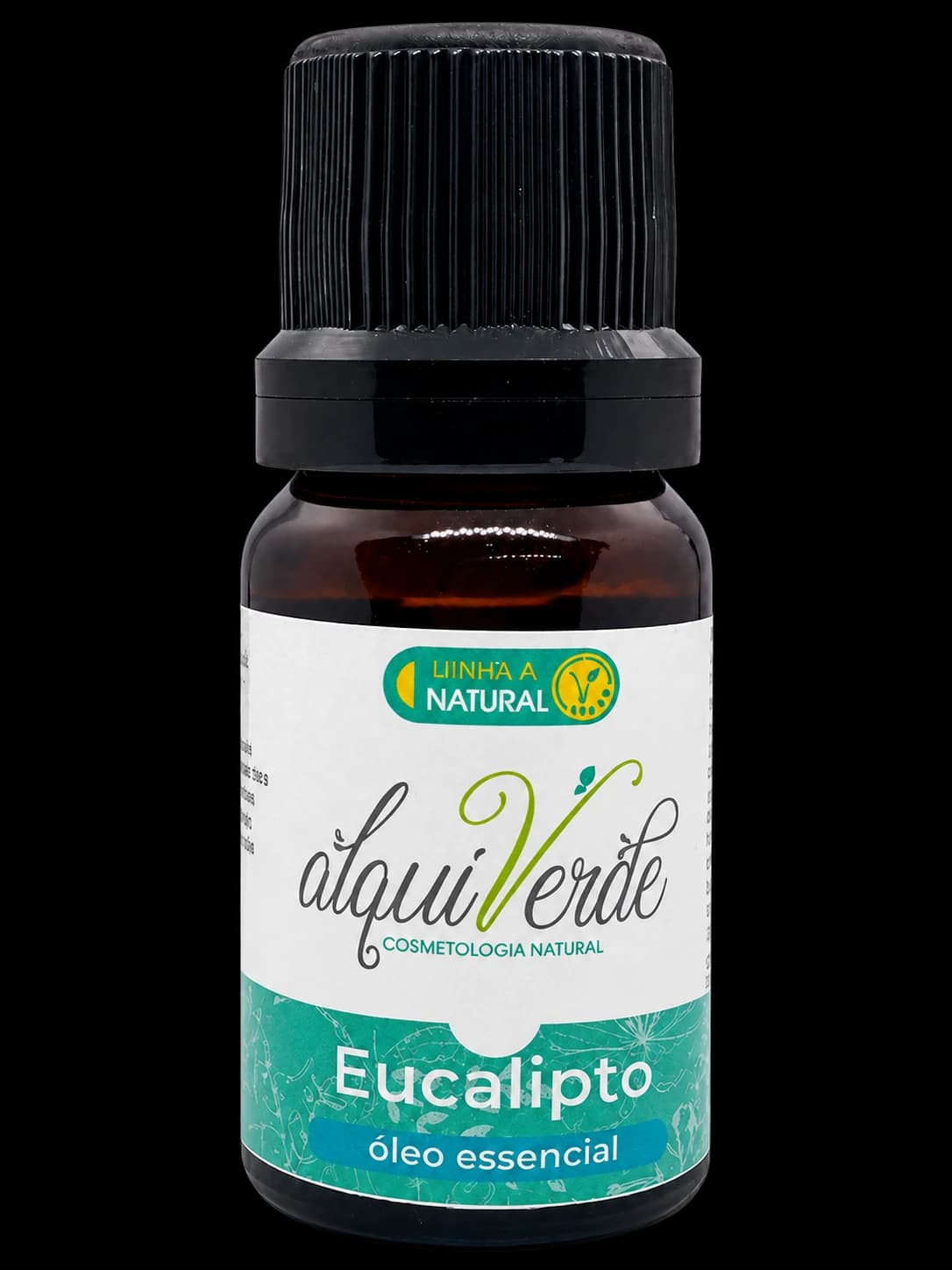
Leaves · fresh aroma
Eucalyptus globulus Labill.
Penetrating and clean, it fills a whole room. Anyone can name it with their eyes closed.
Request a sample of this one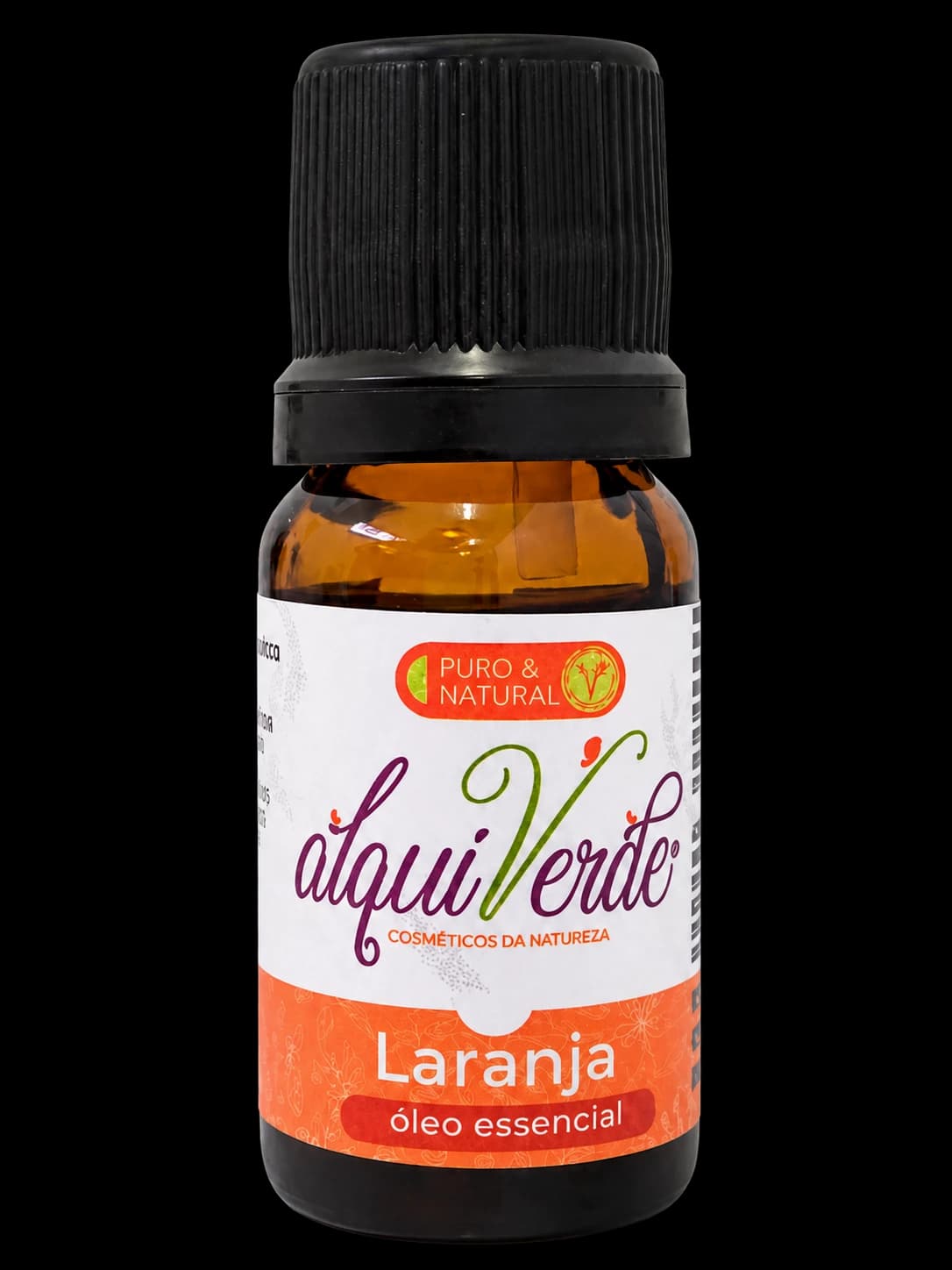
Peel · citrus aroma
Citrus sinensis (L.) Osbeck
Cold-pressed orange peel: sweet, fruity, sunny. The easiest citrus to like.
Request a sample of this one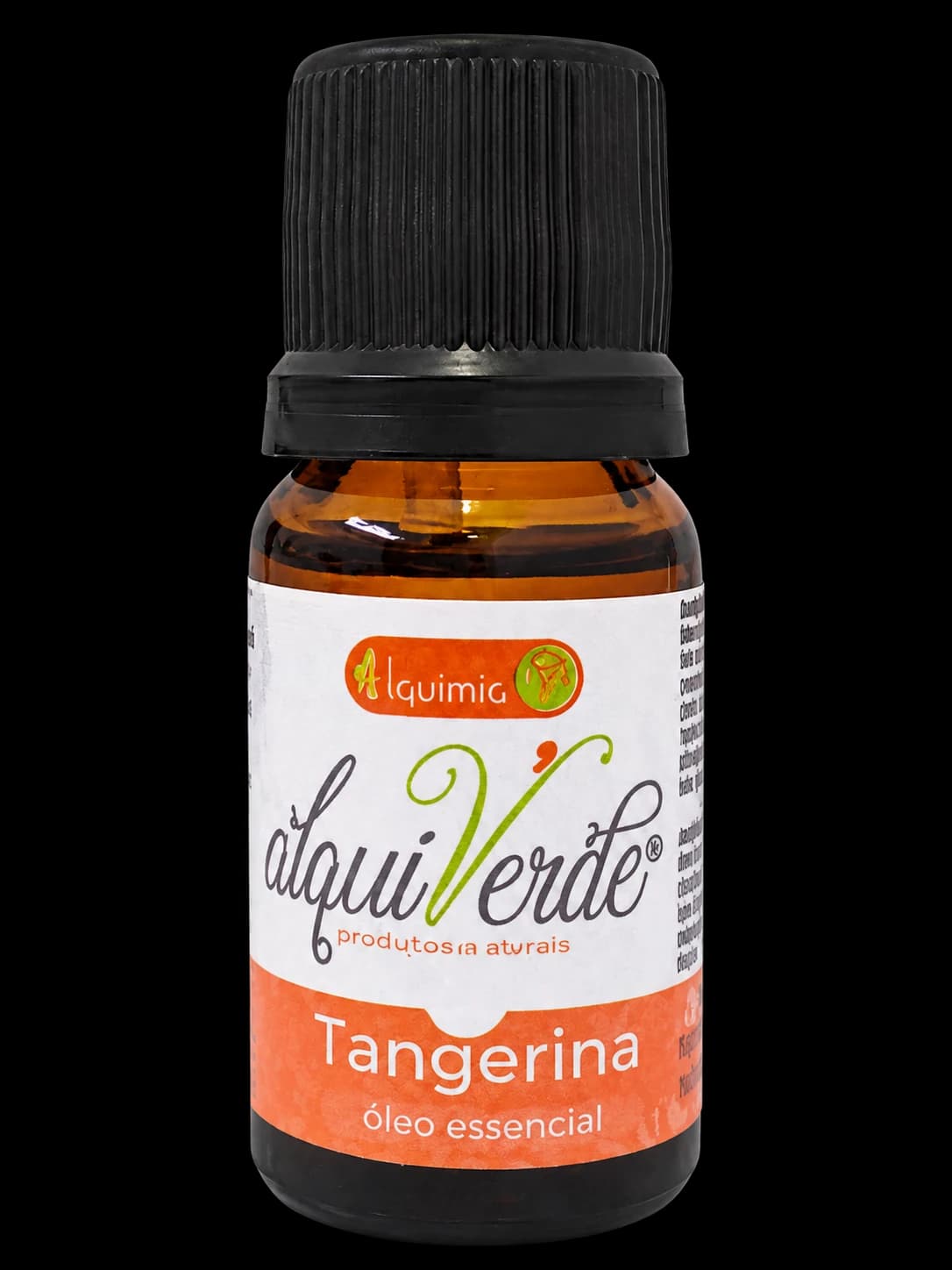
Peel · citrus aroma
Citrus reticulata Blanco
A sweet, soft citrus, rounder than lemon — bright without losing its delicacy.
Request a sample of this one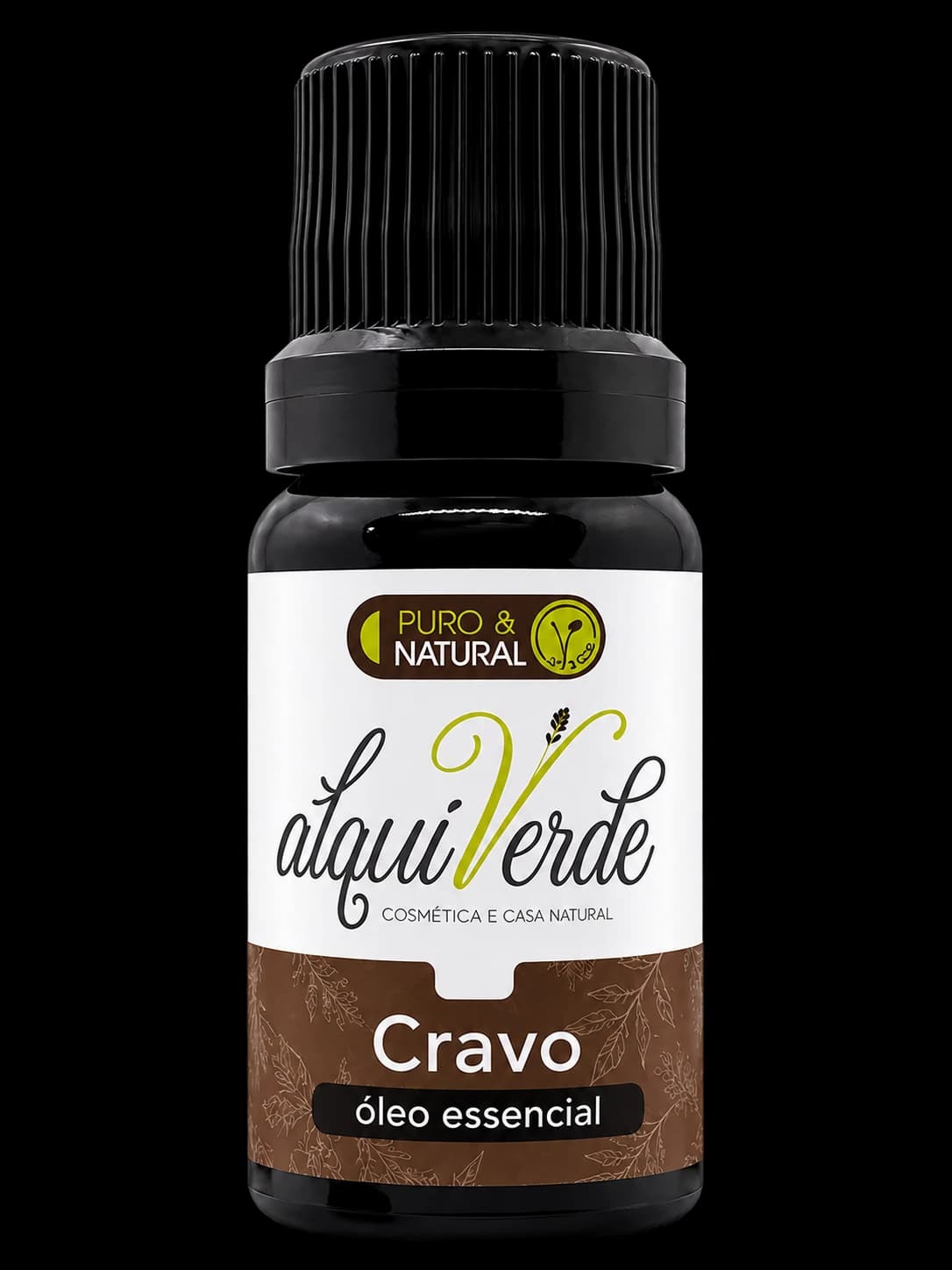
Flower buds · spiced aroma
Syzygium aromaticum
Warm and pungent, one of the most intense aromas there is. A few drops already build the composition.
Request a sample of this one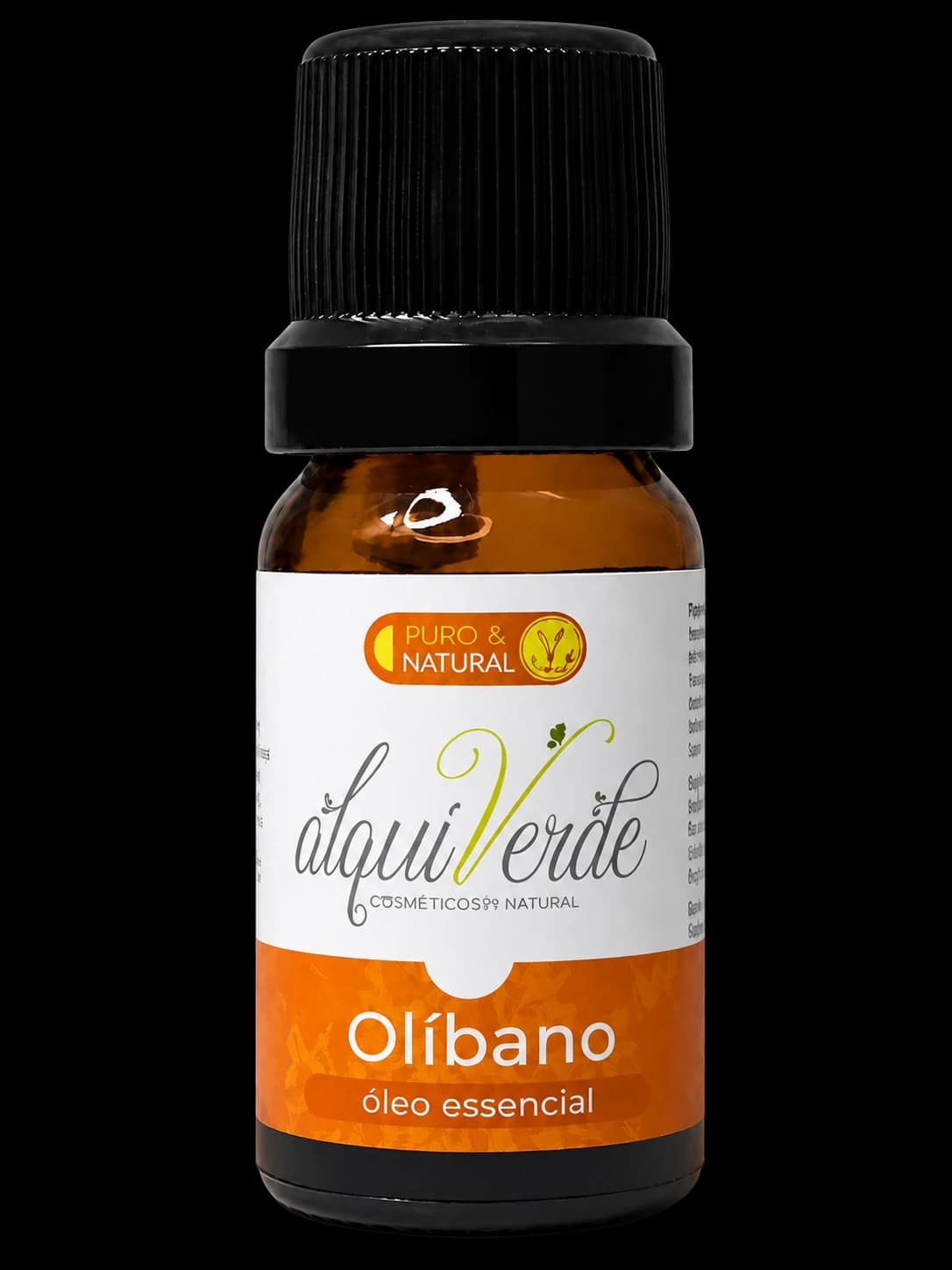
Resin · balsamic aroma
Boswellia carterii
Resinous and balsamic with a citrus thread — the classic incense, contemplative in profile.
Request a sample of this one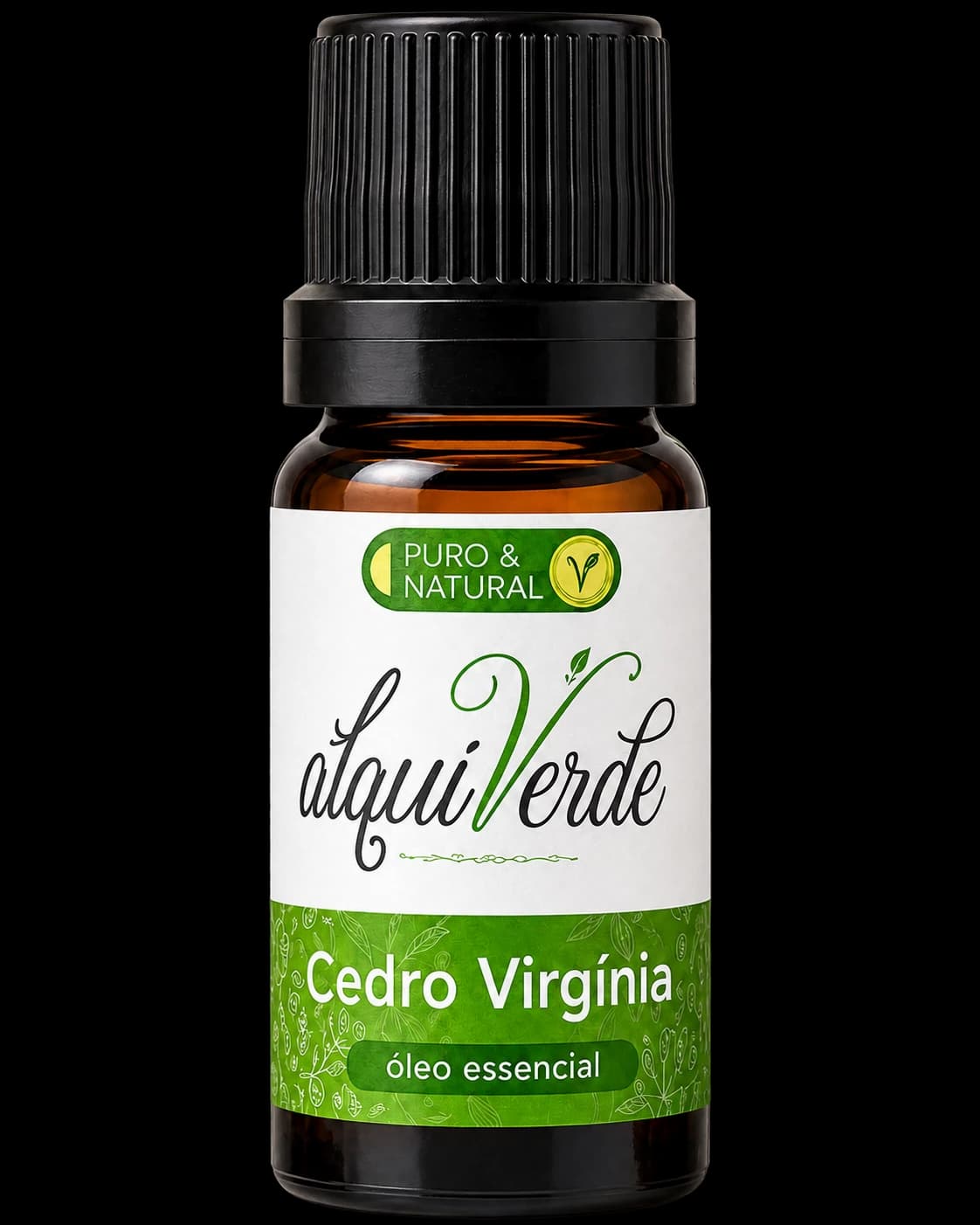
Wood · woody aroma
Juniperus virginiana L.
A dry, earthy wood — the base that holds a composition up without drawing attention to itself.
Request a sample of this oneA sensory and technical reference for turning familiar names into a coherent range — without confusing aroma, tradition and therapeutic claims.
In perfumery, notes describe when an aroma appears and how it supports the composition over time.
The first impression: bright, volatile and noticed as soon as the composition opens.
The centre of the composition: it connects the opening to the base and defines its character.
The more persistent structure: it remains as the top notes recede.
Intensity is a sensory comparison within this collection, not a measure of concentration or quality. The constituents listed are typical; actual composition must come from each batch's chromatography and COA.
People who do not yet know the oil's name usually know the olfactory direction they want. These four paths make choosing easier.
From soft lavender to rosy, green geranium.
Minty, camphorous or herbal: three distinct ways to open a composition.
Sunny sweet orange or softer, rounder mandarin.
Spice, resin and wood to build heart and base.
Olfactory starting points using three oils from the line. They are creative directions, not formulas or concentration advice.
Soft florals with a clear, immediately recognisable citrus opening.
Aromatic leaves, lavender and a sharply defined camphorous opening.
A dry, balsamic base brightened by sweet orange.
The final formula requires safety, stability and packaging compatibility assessment, plus the applicable IFRA category.
Essential oil is concentrated. Care starts before the first drop.
Use only as directed on the label. Pregnant or breastfeeding people, children, and anyone with asthma, allergies, epilepsy, chronic illness or medication use should seek professional advice first.
Culinary use of the plant does not make concentrated essential oil safe to ingest.
Application depends on purpose, concentration and assessment of the finished formula.
Do not use on broken skin and seek appropriate guidance after accidental contact.
Small swallowed amounts can cause severe poisoning.
Strong fragrance may trigger coughing, headache or discomfort in sensitive people.
Do not apply to pets; ventilate and allow the animal to leave the room.
Discontinue use after redness, itching, burning, coughing or malaise.
Essential oils are flammable and must stay away from flames, sparks and hot surfaces.
Light, heat, air and contamination can change an oil well before the bottle looks empty.
A name on the label is not enough. B2B quality must be documented.